 Metriq


A short walk after a meal helps your body handle the sugar from that meal. A 2022 review found that short breaks of light walking, 2 to 5 minutes at a time through a day of sitting, lowered the rise in blood sugar and insulin after meals compared with sitting still. A 2023 review found walking works best when it starts soon after eating. You do not need a workout: a gentle stroll is enough.
What the research says
- Short walks help. A 2022 review in Sports Medicine pooled seven studies that broke up long spells of sitting with short breaks of standing or light walking, often 2 to 5 minutes at a time. Walking breaks lowered both blood sugar and insulin after meals. Standing helped blood sugar a little, but walking did more.
- Sooner is better. A 2023 review on the timing of exercise found walking had a bigger effect on after-meal blood sugar when it started as soon as possible after eating, rather than later or before the meal.
These studies measured blood sugar in the hours after meals. That is a useful marker, but it is not the same as preventing diabetes, and no walk replaces medical care. If you have diabetes or take medicine for blood sugar, ask your doctor how walking fits your plan.
How long and how fast?
| Walk | About | Good for |
|---|---|---|
| 2 to 5 minutes | 200 to 500 steps | Breaking up sitting after a meal at work |
| 10 to 15 minutes | 1,000 to 1,500 steps | An after-dinner walk around the block |
| 20 to 30 minutes | 2,000 to 3,000 steps | A longer evening walk that also counts as exercise |
An easy pace is fine. You should be able to chat comfortably. If you have just eaten a big meal, keep it gentle for the first few minutes.
Easy ways to fit it in
- After dinner: a lap of the block before you sit down for the evening.
- After lunch at work: a few minutes outside, or the long way back to your desk.
- After breakfast: walk to the coffee shop instead of making it at home.
- On the phone: take a call on your feet after eating.
- Bad weather: walk laps of your home. See 20 ways to get steps indoors.
It adds up
A 10-minute walk after each of three meals is 30 minutes and roughly 3,000 steps a day, enough to move most people from the average of about 5,000 steps toward the 7,000 to 8,000 that research links to most of walking's health benefits. See average steps per day for those numbers.
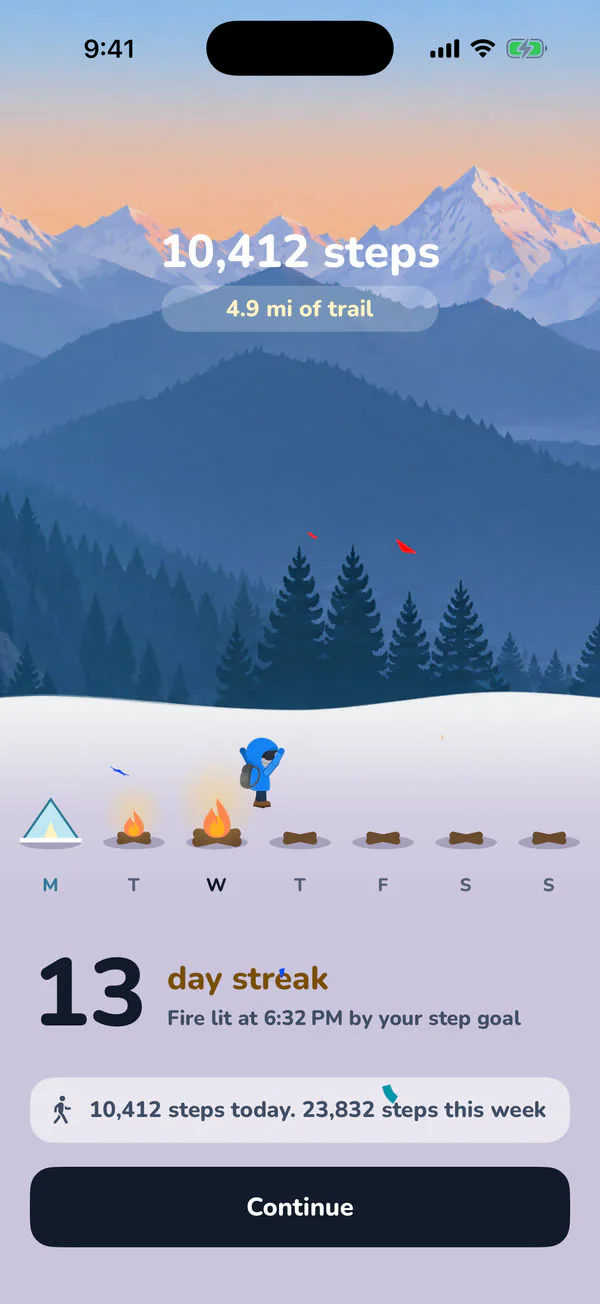
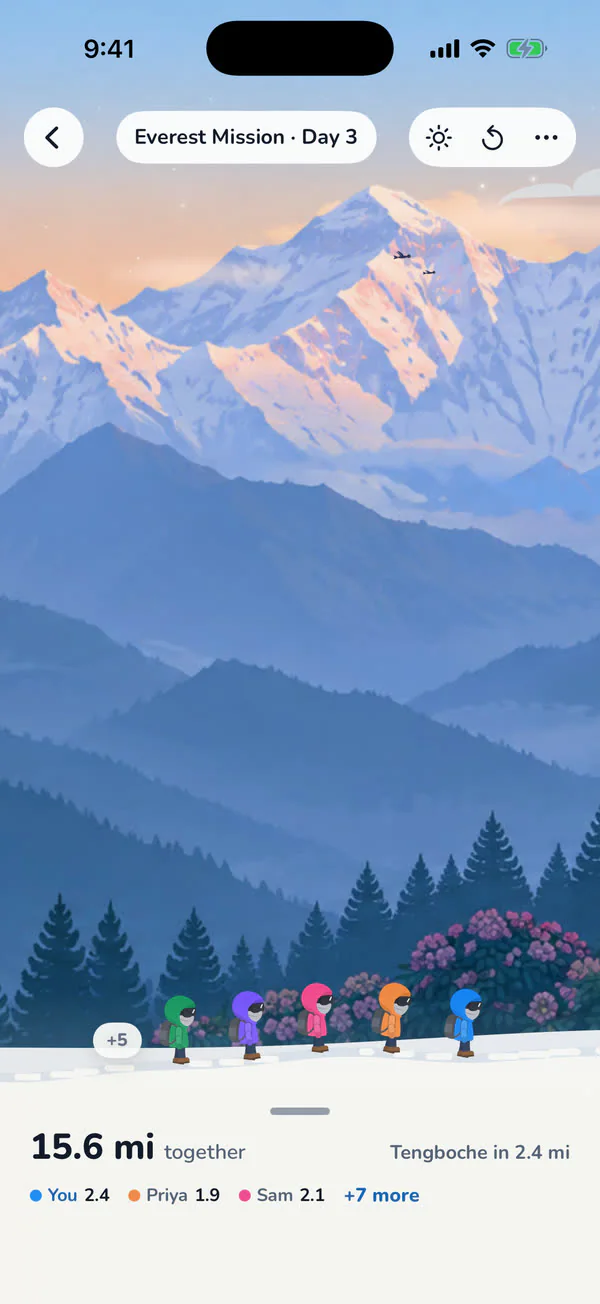
Habits like this stick best when they are tracked. In Metriq, every day you reach your step goal your streak grows by one. Invite your family to a shared Mission and the after-dinner walk becomes something you do together.
Walking to lose weight too? Read walking for weight loss, or work out what your walks burn with the walking calorie calculator.
Frequently asked questions
Is it good to walk after eating?
Yes, for most people. Research reviews found that light walking after a meal lowers the rise in blood sugar and insulin that follows it, compared with sitting.
How long should you walk after eating?
There is no set time. A 2022 review found that short walking breaks of 2 to 5 minutes, repeated through a day of sitting, lowered blood sugar after meals. A 10 to 15 minute walk after a meal is an easy habit to keep and adds about 1,000 to 1,500 steps.
How soon after eating should you walk?
Soon. A 2023 review found walking had a bigger effect on after-meal blood sugar when it started as soon as possible after eating. Keep the pace gentle after a big meal.
Should people with diabetes walk after meals?
Walking is usually encouraged, but ask your doctor how it fits with your medicine and blood sugar plan, especially if you use insulin.